
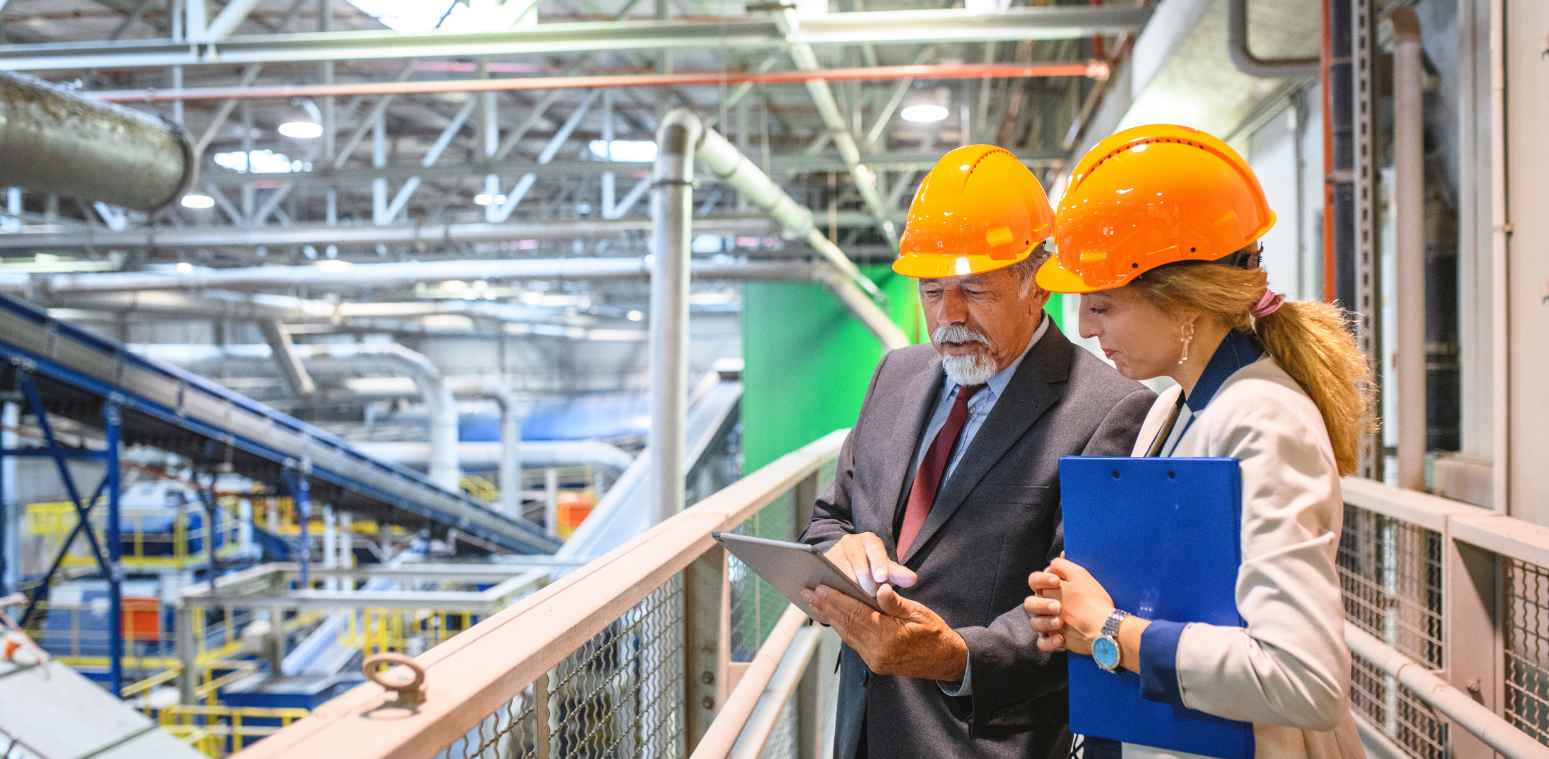
As buildings and workplaces become more complex and connected, the role of technology in facilities management is undergoing a major shift. Digital transformation is no longer just a trend—it is a necessity for organisations aiming to streamline operations, improve efficiency, and meet modern demands.
From automating routine tasks to harnessing real-time data, digital tools are reshaping how facilities are managed and maintained. This article explores how technology is changing the landscape, the key innovations driving progress, and what facilities managers should consider to ensure a smooth and successful transformation.
Introduction to Digital Transformation in Facility Management
Digital transformation in facilities management refers to the integration of digital technologies into all aspects of building operations and maintenance. It’s more than just replacing manual processes with software—it’s about using data and intelligent systems to optimise performance, reduce waste, and enhance occupant experience.
Modern facilities management now encompasses a broad range of responsibilities, including energy management, asset tracking, maintenance planning, and health and safety compliance. Digital transformation enables facility managers to carry out these tasks more effectively, with better insights and fewer delays.
As expectations for smarter, safer, and more sustainable buildings rise, embracing digital solutions has become a strategic priority across industries.
Key Technologies Driving Digital Transformation
Several key technologies are powering the shift towards smarter, data-driven facilities management. These include:
Internet of Things (IoT)
IoT involves using sensors and connected devices to monitor building systems in real time. From HVAC units to lighting systems and occupancy sensors, IoT devices provide continuous feedback, enabling predictive maintenance and energy optimisation.
Computerised Maintenance Management Systems (CMMS)
A CMMS helps manage maintenance schedules, track work orders, and monitor asset performance. These systems replace spreadsheets and paper logs, allowing teams to plan more efficiently and respond to issues faster.
Building Information Modelling (BIM)
BIM offers a digital representation of a facility’s physical and functional characteristics. It supports better decision-making throughout the building lifecycle—from construction and renovation to daily operations.
Artificial Intelligence (AI) and Machine Learning
AI can analyse data from sensors and systems to identify patterns, predict maintenance needs, and even automate responses. Machine learning algorithms continually improve performance by learning from past outcomes.
Cloud Computing
Cloud-based platforms provide centralised access to data and software from any location. This is especially useful for multi-site facilities and remote management.
Mobile and Smart Devices
With mobile apps and smart interfaces, staff can monitor systems, log issues, and receive alerts on the go. This improves communication and ensures faster response times.
Benefits of Implementing Digital Tools in FM
Digital tools bring measurable improvements to facilities management. Key benefits include:
Increased Efficiency
Automating routine tasks like maintenance scheduling, inspections, and reporting saves time and reduces administrative workload. It also ensures nothing is missed, improving compliance and consistency.
Cost Savings
With predictive maintenance and energy monitoring, organisations can reduce repair costs, avoid equipment breakdowns, and optimise resource use. Real-time monitoring can lead to lower utility bills and better budget planning.
Improved Asset Management
Digital systems provide detailed tracking of assets, including usage, condition, and lifecycle data. This makes it easier to manage equipment, plan replacements, and make informed investment decisions.
Enhanced Occupant Experience
Facilities with digital systems can respond faster to issues like temperature discomfort, lighting problems, or space availability. This creates a more comfortable and productive environment for users.
Data-Driven Insights
Real-time data allows managers to identify trends, assess performance, and make better decisions. Dashboards and analytics tools can highlight inefficiencies and suggest areas for improvement.
Challenges and Considerations
While the benefits are clear, digital transformation in facilities management also comes with challenges that must be carefully addressed.
Data Security and Privacy
Connected devices and cloud-based systems must be protected against cyber threats. Secure data handling practices and compliance with privacy regulations are essential.
System Integration
Many facilities use legacy systems that may not be compatible with modern tools. Integrating new technologies without disrupting daily operations requires careful planning and support.
Change Management and Staff Training
New systems can only deliver value if staff understand how to use them. Training programmes and ongoing support are crucial for building confidence and encouraging adoption.
Upfront Costs
Initial investment in software, hardware, and training may be significant. However, long-term savings and efficiency gains often outweigh these initial expenses.
Vendor Reliability
Choosing the right technology partner is important. Facilities managers should assess vendor experience, technical support, and long-term viability before committing.
Strategies for Effective Implementation
A successful digital transformation requires a strategic and phased approach. Key strategies include:
Set Clear Goals
Define what you hope to achieve—whether it’s improved energy performance, reduced maintenance costs, or enhanced occupant comfort. Align technology investments with these objectives.
Start with a Pilot Project
Testing new tools on a small scale allows teams to learn and refine their approach before a full rollout. This helps manage risk and build confidence in the solution.
Engage Stakeholders Early
Involve maintenance teams, IT staff, and building users from the start. Their feedback will improve system design and promote ownership of the process.
Invest in Training and Support
Ensure all users are properly trained and know where to turn for help. Provide manuals, quick-reference guides, and access to technical assistance.
Use Data to Guide Decisions
Monitor results closely and adjust strategies based on data insights. Continuous improvement is key to getting the most from digital tools.
Case Studies and Real-World Applications
Organisations around the world are already seeing positive outcomes from digital transformation in facilities management.
A university campus in the UK implemented a smart building system using IoT sensors to track room occupancy and energy use. Within a year, they reported a 20% reduction in energy costs and improved space utilisation during peak hours.
A healthcare facility introduced a CMMS platform to manage planned maintenance and respond to service requests. Staff satisfaction improved, and downtime for critical equipment dropped by 30%.
In a corporate office setting, AI-driven climate controls were used to optimise temperature and lighting based on real-time occupancy data. This not only reduced energy use but also led to higher employee comfort scores in post-occupancy surveys.
These examples highlight how digital tools, when applied with care, can lead to tangible improvements across different building types and sectors.
Future Outlook
The future of facilities management will be shaped by continued innovation and a deeper focus on sustainability, automation, and user experience.
Technologies like digital twins—virtual replicas of physical assets—and augmented reality for remote maintenance are already being explored. AI and machine learning will become more embedded in daily operations, driving smarter, more predictive management practices.
Sustainability will remain a top priority, with digital systems playing a key role in tracking emissions, managing energy, and supporting net-zero goals.
Ultimately, facilities management is moving from a reactive role to a strategic function, empowered by data and technology. Those who embrace digital transformation today will be better positioned to deliver efficient, flexible, and future-ready environments.
Frequently Asked Questions (FAQs)
What is digital transformation in facilities management?
It refers to the adoption of digital technologies like IoT, CMMS, and AI to improve the way buildings and facilities are operated and maintained.
How does digital transformation benefit FM teams?
It improves efficiency, reduces costs, enhances asset tracking, and allows teams to make data-driven decisions.
Are digital systems expensive to implement?
There are upfront costs, but long-term savings in energy, maintenance, and labour usually outweigh the initial investment.
What technologies are commonly used in digital facilities management?
IoT, CMMS platforms, BIM models, AI-driven analytics, and mobile tools are among the most widely adopted.
What should facility managers consider before going digital?
They should assess existing systems, define clear goals, train staff, secure data, and choose reliable technology partners.